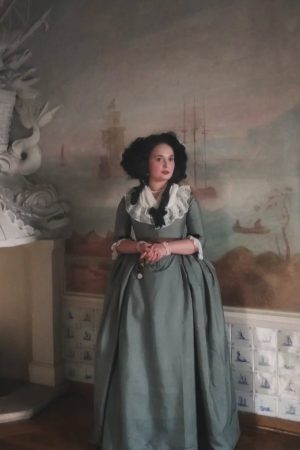
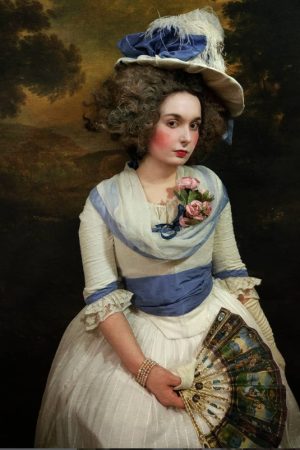
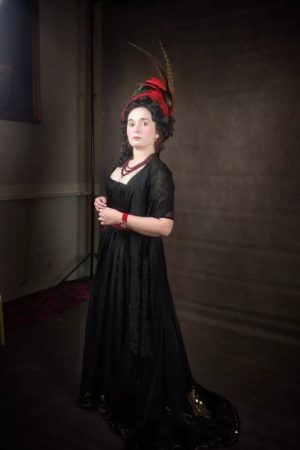
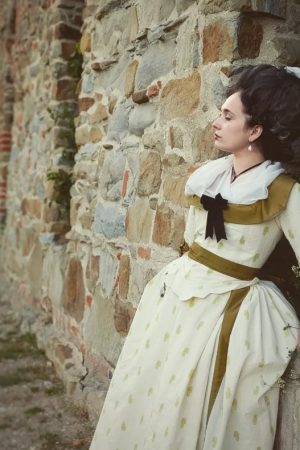
My work in historical reconstruction is rooted in primary source research, extant garments, and period tailoring techniques. Each reconstruction is approached as both a scholarly investigation and a practical garment, balancing academic accuracy with an understanding of wear, movement, and material behaviour.

I specialise primarily in 17th- and 18th-century European dress, with particular focus on French fashion, while also working across neighbouring regions to explore regional variation within shared chronological frameworks. My reconstructions are informed by museum collections, archival documentation, period imagery, and surviving textile fragments.

Whenever possible, I employ historically appropriate materials and construction methods, including hand-sewn techniques, period-correct seam finishes, and structural solutions derived from extant originals. Where modern materials are introduced, they are used consciously and transparently, without compromising the visual or structural integrity of the historical form.

My practice places strong emphasis on silhouette, understructure, and textile logic — understanding how garments were built, worn, and maintained, rather than treating costume as a static surface. This approach allows reconstructions to function authentically both in motion and under close visual scrutiny, whether for research, display, or film use.

In addition to object-based work, my reconstructions often serve as a tool for interpretation and education, supporting lectures, workshops, and visual storytelling across academic, museum, and media contexts.

17th century

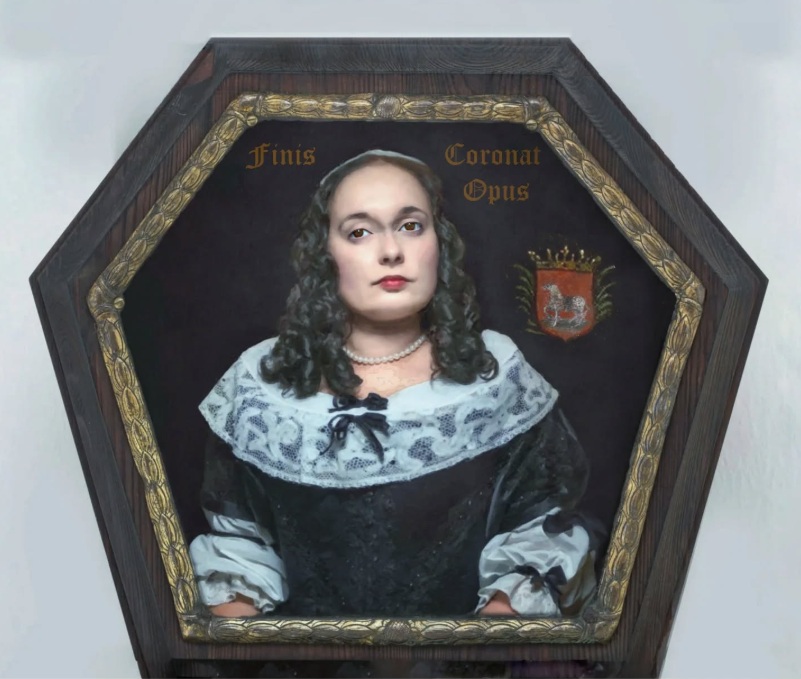
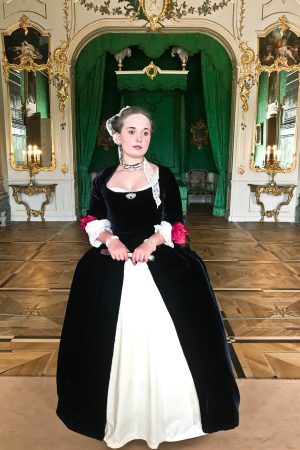
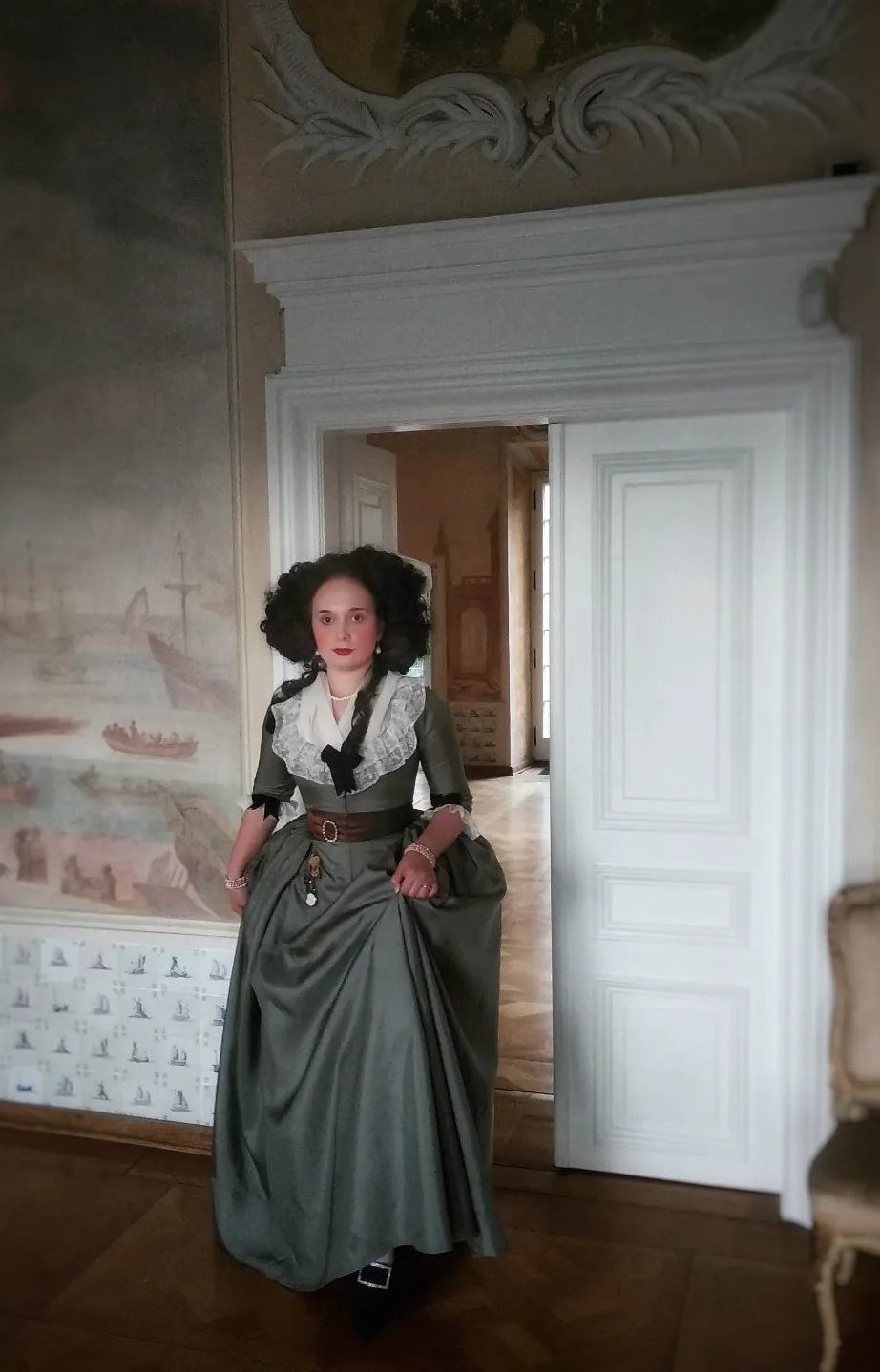
Gown, c. 1680, designed and executed by the artist, depicted in a private cofin portrait

This gown is a faithful reconstruction of late 17th-century female attire, reflecting the stylistic and technical conventions of the period around 1680. It features a wide lace-trimmed collar and voluminous sleeves, characteristic of the transitional fashion from the late Baroque towards more structured forms. The fabric, cut, and decorative details were entirely conceptualized and produced by the artist, emphasizing historical accuracy in patterning, construction, and embellishment. The portrait presents the gown in a private posthumous context, illustrating how such attire would have been rendered in commemorative representations, while also demonstrating the integration of contemporary textile techniques with period-inspired design elements.

18th century

first
chemise2 1780
p kowalczyk
IMG_4600

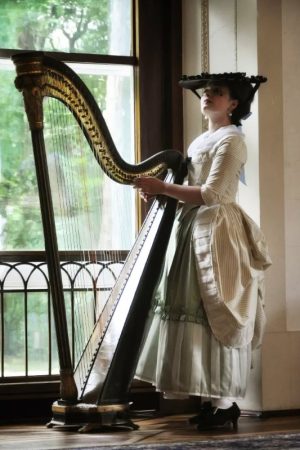
Robe à l’anglaise retroussée, 1777

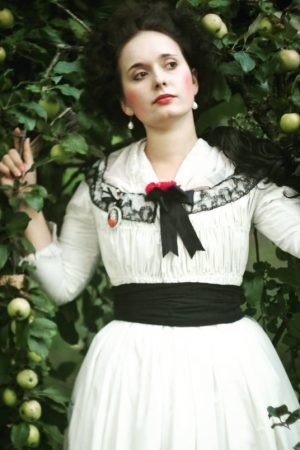
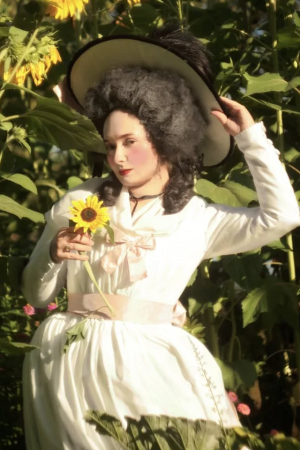
Robe en chemise des années 1780

Riding habit circa 1745

Robe à l’allemande, c. 1740

IMG_20210605_211922
robe a la francaise 2
robe a la piemontaise
1744

Robe à la française, années 1750

Robe à la française, années 1755

Robe à la piémontaise, c. 1780

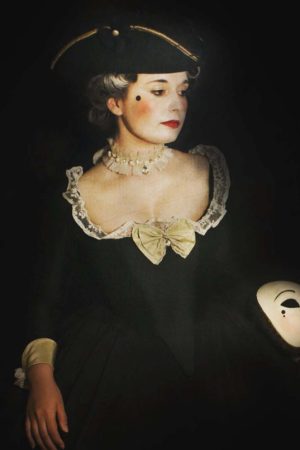
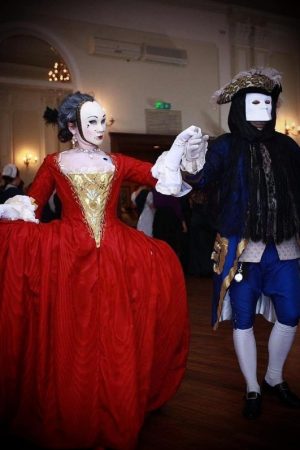
Masquerade dress, c. 1730–1740

1745
the duches
IMG_20210405_121205
1788

Grande parure, Venice, c. 1740

Mourning dress, Austrian court, 1784, after fashion plate

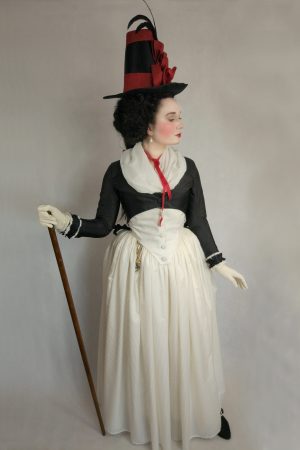
Jacket and skirt, French Revolutionary period, c. 1790

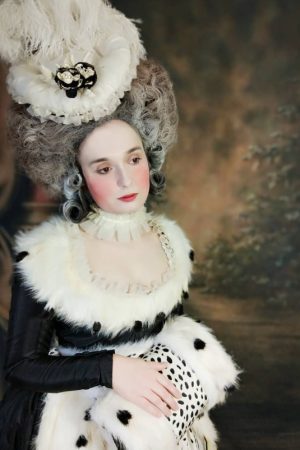
Round gown, 1780, inspired by The Duchess

1777
1798
1780
490517554_1529702094877152_3152176775539051382_n

Gown, after a Reynolds painting, England, c. 1780

Spanish-style gown, c. 1790

Gown, English style, c. 1778

Striped wool redingote, c. 1790.

1730
1740
1
2

Venetian courtesan gown, c. 1740

Robe à la française, 1740–1760, fabric dated c. 1720

Round gown, circa 1788

Robe en chemise, c. 1785


19th century

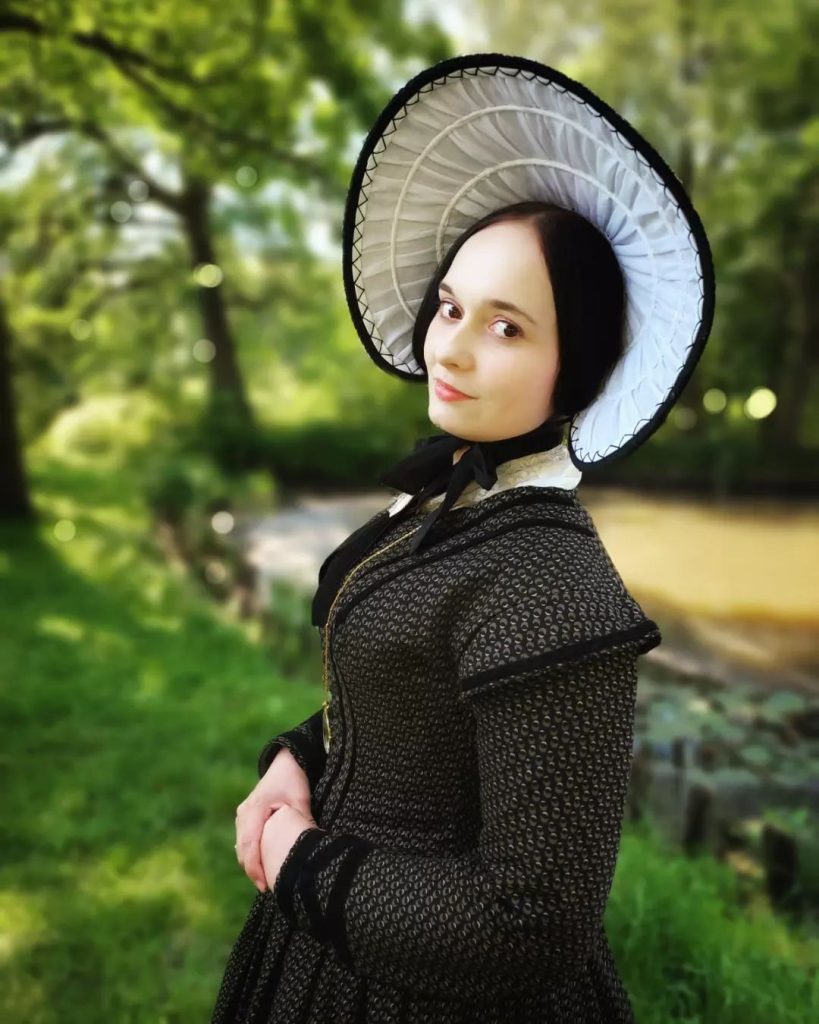
Governess’s gown, c. 1848–1855

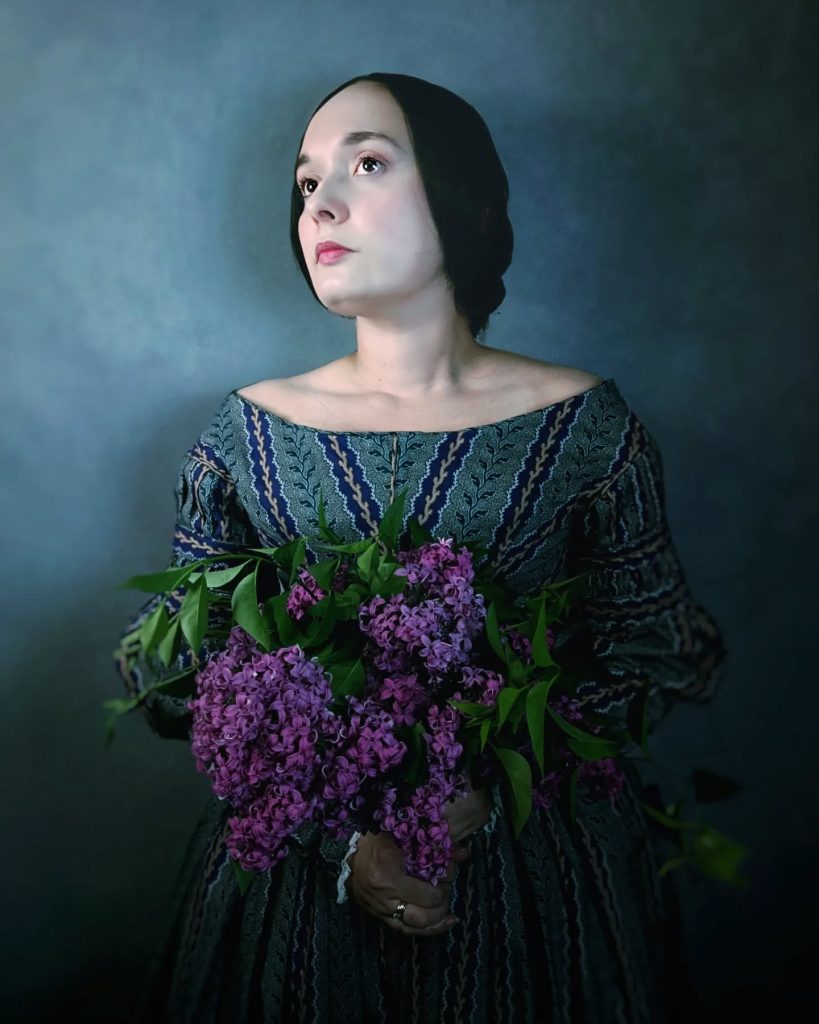
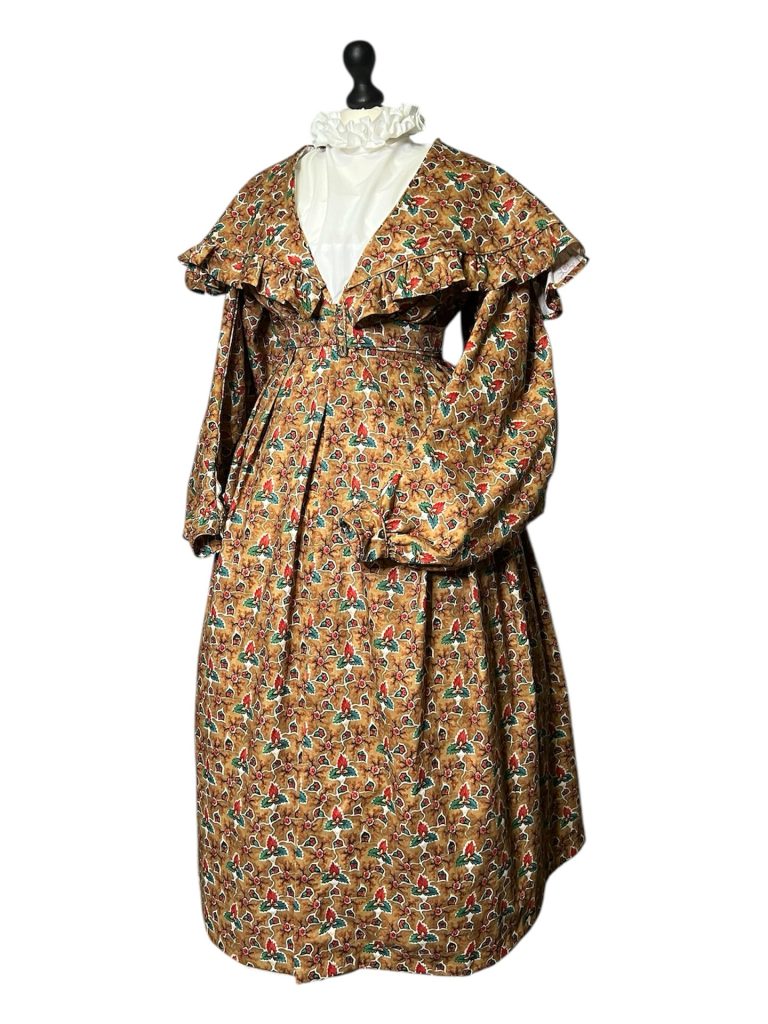
Late 1830s gown, after a private collection, printed cotton designed by me

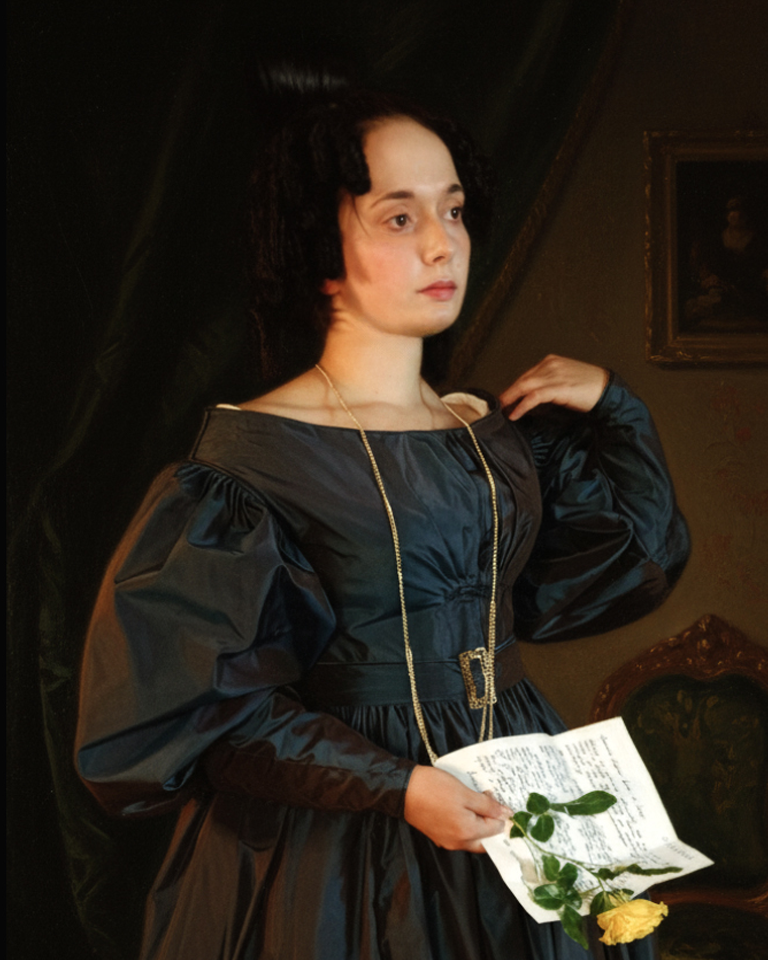
Gown, after an Abby Cox collection piece, adapted by Kenna Elizabethc. late 1830s

Morning gown, 1830s, printed cotton produced by me

error:
Scroll to Top